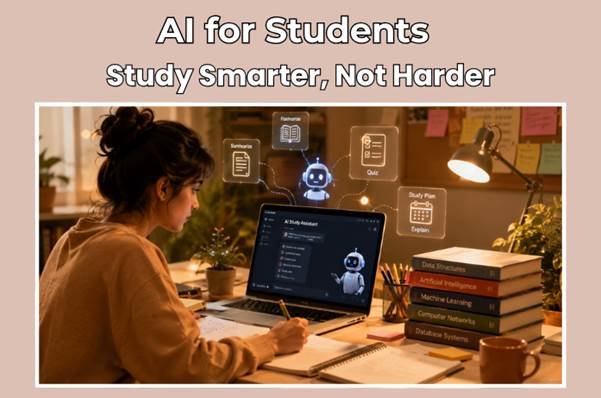
AI for Students: Study Smarter, Not Harder
Imagine spending hours studying but forgetting everything before your exam. Now imagine having a smart study partner that explains difficult topics, summarizes notes, creates quizzes, and helps you stay organized. That’s the power of AI for Students, making learning faster, smarter, and more effective.
That is exactly how AI for Students is changing education today.
Artificial Intelligence is no longer just a technology used by scientists or software engineers. It has become a daily learning companion for millions of students worldwide. Whether you are in school, college, or preparing for competitive exams, AI can help you save time, improve understanding, and learn more efficiently.
However, AI should never replace learning, it should make learning easier.
In this guide, you will discover how Artificial Intelligence for Students works, its benefits, limitations, practical uses, and the best AI tools that can boost your academic performance.
What is AI for Students?
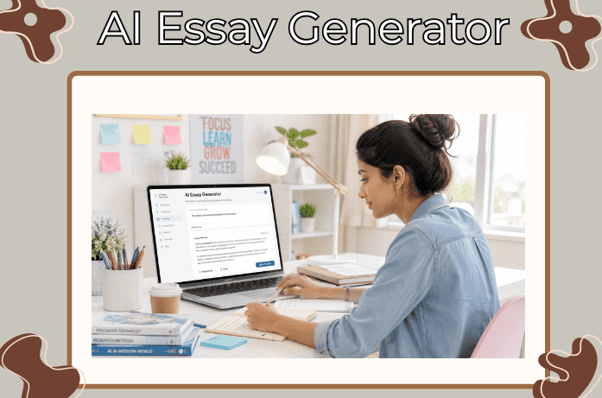
AI for Students refers to Artificial Intelligence tools and applications designed to help students learn more effectively. These tools use machine learning and natural language processing to understand questions, explain concepts, generate study materials, and provide personalized learning experiences.
Instead of replacing teachers, AI acts as an intelligent learning assistant available whenever students need help.
Some common tasks AI can perform include:
- Explaining difficult concepts
- Summarizing long notes
- Creating quizzes
- Solving math problems
- Checking grammar
- Organizing study schedules
- Translating languages
- Assisting with research
Why is AI Becoming Popular Among Students?
Education has become increasingly digital, and students often struggle with information overload.
AI helps by making learning:
| Traditional Learning | Learning with AI |
| Reading entire textbooks | Quick summaries |
| Manual note-making | Automatic notes |
| Searching multiple websites | Instant answers |
| Fixed learning speed | Personalized learning |
| One-size-fits-all teaching | Customized explanations |
Rather than replacing effort, AI helps students focus their time where it matters most, understanding concepts and practicing skills.
Top Benefits of AI for Students
1. Personalized Learning
Every student learns differently.
Some understand through visuals, while others prefer written explanations or examples.
AI adapts to different learning styles by providing customized explanations.
For example, if you don’t understand photosynthesis, an AI assistant can explain it using:
- Simple language
- Diagrams
- Real-life examples
- Step-by-step explanations
2. Saves Valuable Study Time
Students often spend hours making notes.
AI can summarize lengthy chapters into concise study notes within minutes.
This allows students to spend more time revising instead of preparing study material.
3. Improves Understanding
Instead of memorizing information, AI encourages conceptual learning.
You can ask follow-up questions until the topic becomes clear.
It’s like having a tutor available 24/7.
4. Better Writing Skills
Many students struggle with essays, reports, and assignments.
AI writing assistants can help:
- Improve grammar
- Suggest better vocabulary
- Enhance sentence structure
- Check readability
- Remove spelling mistakes
Students still need to write original work, but AI helps polish it.
5. Creates Practice Questions
Practice is one of the best ways to prepare for exams.
AI can generate:
- Multiple-choice questions
- Short-answer questions
- Flashcards
- Mock tests
- Revision quizzes
6. Reduces Study Stress
Many students feel overwhelmed before exams.
AI helps organize:
- Study plans
- Daily schedules
- Revision reminders
- Priority tasks
This reduces anxiety and improves productivity.
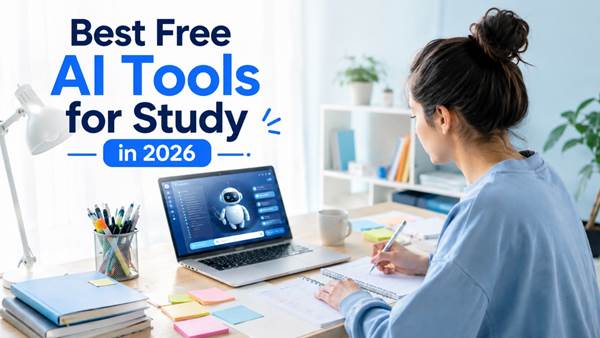
Best AI Tools for Students
| AI Tool | Best For | Free Version |
| ChatGPT | Homework help, explanations, brainstorming | Yes |
| Google Gemini | Research and study assistance | Yes |
| Microsoft Copilot | Writing and productivity | Yes |
| Grammarly | Grammar and writing improvement | Yes |
| Notion AI | Notes and organization | Limited |
| Quizizz AI | Practice quizzes | Yes |
| Canva Magic Write | Presentations and content creation | Limited |
| Perplexity AI | Research with sources | Yes |
These Best AI Tools for Students help improve productivity while making learning more engaging.
Real-Life Example
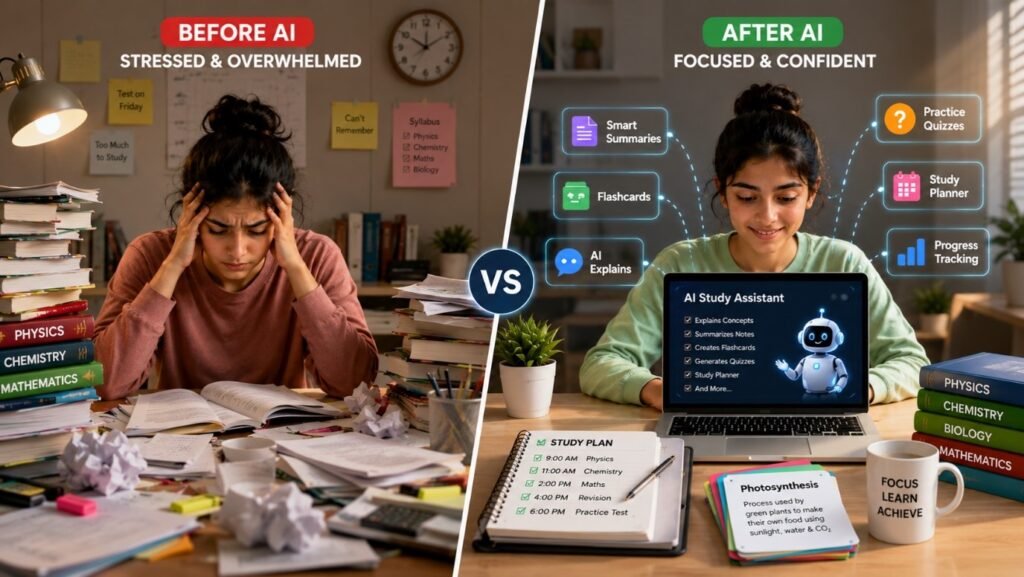
Imagine Priya, a college student preparing for semester exams.
Before using AI:
- Took 6 hours to complete notes
- Forgot important topics
- Felt stressed before exams
After using AI:
- Summarized chapters in minutes
- Created flashcards
- Practiced quizzes daily
- Improved time management
As a result, she spent more time understanding concepts instead of rewriting textbooks.
This is one practical example of how AI Learning Tools can improve academic performance.
How Students Can Use AI Responsibly
AI is most effective when used as a learning assistant, not as a shortcut.
Good uses include:
- Understanding difficult topics
- Creating revision notes
- Practicing quizzes
- Improving writing
- Organizing schedules
- Brainstorming project ideas
Avoid using AI to:
- Copy assignments
- Cheat during exams
- Submit AI-generated work without editing
- Skip learning the actual concepts
Responsible use helps students build both knowledge and critical thinking.
Pros and Cons of AI for Students
| Pros | Cons |
| Saves time | Can reduce independent thinking if overused |
| Personalized learning | Sometimes provides incorrect information |
| Available 24/7 | Risk of plagiarism |
| Improves productivity | Privacy concerns with some tools |
| Better organization | Internet dependency |
| Instant explanations | Students may become overly reliant on AI |
The key is balance. AI should support learning, not replace it.
AI in Education: The Bigger Picture
The use of AI in Education is growing rapidly.
Schools and universities are increasingly integrating AI-powered technologies into classrooms to provide:
- Personalized learning paths
- Smart assessments
- Adaptive quizzes
- Virtual tutors
- Automated grading
- Interactive learning experiences
Teachers also benefit by saving time on repetitive tasks, allowing them to focus more on teaching and mentoring students.
Tips for Using AI Effectively
To get the best results from Artificial Intelligence for Students, follow these tips:
- Ask clear and specific questions.
- Verify facts using textbooks or trusted sources.
- Rewrite answers in your own words.
- Use AI for learning, not copying.
- Combine AI with regular practice.
- Review and edit AI-generated content before submitting assignments.
- Continue developing problem-solving and critical-thinking skills.
Common Mistakes Students Should Avoid
Many students misuse AI without realizing its limitations.
Avoid these mistakes:
- Trusting every AI response without verification.
- Copy-pasting assignments directly.
- Depending on AI for every homework task.
- Ignoring classroom learning.
- Skipping practice because AI provides quick answers.
Remember, AI is a tool, not a replacement for your effort.
The Future of AI for Students
Over the next few years, AI is expected to become even more advanced.
Future AI learning assistants may:
- Detect learning gaps automatically.
- Create personalized study plans.
- Offer voice-based tutoring.
- Provide immersive learning through augmented and virtual reality.
- Deliver real-time feedback during study sessions.
As AI continues to evolve, students who learn how to use it responsibly will have a significant advantage in academics and future careers.
Key Takeaways
1. AI for Students helps improve learning, productivity, and time management.
2. AI can summarize notes, explain concepts, generate quizzes, and improve writing.
3. It supports personalized learning based on individual needs.
4. Students should use AI ethically and avoid relying on it completely.
5. Combining AI with regular study habits leads to better academic success.
6. AI is a learning assistant, not a substitute for teachers or independent thinking.
FAQs
1. What is AI for Students?
AI for Students refers to AI-powered tools that help students learn faster, improve writing, organize study materials, and prepare for exams.
2. Which is the best AI tool for students?
Popular choices include ChatGPT, Google Gemini, Microsoft Copilot, Grammarly, and Notion AI. The best tool depends on your study needs.
3. Is AI good for studying?
Yes. AI can explain complex topics, summarize notes, create quizzes, and improve productivity when used responsibly.
4. Can students use AI for homework?
Yes, AI can help students understand concepts and check their work, but they should always write answers in their own words.
5. Will AI replace teachers?
No. AI is a learning assistant, but teachers provide guidance, experience, and personalized support that AI cannot replace.
Final Thoughts
The rise of AI for Students marks a new chapter in education. Instead of spending countless hours searching for answers or organizing notes, students now have access to intelligent tools that make learning more efficient, interactive, and personalized.
That said, the true value of AI lies in how you use it. Students who rely on AI to deepen their understanding, practice consistently, and think critically will gain the greatest benefits. Used wisely, Artificial Intelligence becomes more than just a study tool, it becomes a partner in lifelong learning.
For additional updates and insights on educational technology, visit EdTech Vibe
About the Author
Divya is an education technology writer and AI enthusiast passionate about making learning simpler, smarter, and more accessible. Through EdTech Vibe, she shares practical AI guides, honest tool reviews, and expert learning tips to help students, teachers, and professionals boost productivity and stay ahead in the rapidly evolving world of education technology.